
Moving Guide
Why Verified Carriers Are Dominating the Moving Industry
The U.S. Moving Protection Organization’s Verified Carrier Database is quickly becoming the go-to resource for consumers—and a game-changer for…
Fair price report · Florida to Texas
About 1,210 miles. Ranges for a move in November 2026. Line-haul prices on the published tariff. They exclude fuel surcharge, stairs, long carry and elevator, shuttle, storage and valuation above released value (60¢/lb). Not a quote: a licensed carrier sets the binding price after a survey.
Bait-and-switch risk
Below $5,200
Typical range · 2-bedroom
$6,600 – $8,400
Broker markup
Above $10,500
| Home size | Weight | Florida to Texas |
|---|---|---|
| Studio / 1 room | ~1,800 lbs | $3,300 – $4,200 |
| 1-bedroom | ~3,500 lbs | $4,200 – $5,400 |
| 2-bedroom | ~5,500 lbs | $6,600 – $8,400 |
| 3-bedroom | ~8,000 lbs | $10,800 – $13,800 |
| 4-bedroom | ~12,000 lbs | $13,300 – $16,900 |
Your inventory and date set the real price. See yours for this route in about a minute.
See your moving cost in 60 seconds669 in the USMPO directory; 224 of 637 in FMCSA's mover search have federal complaints since 2023. The largest by trucks:
All moving companies in Florida · All moving companies in Texas
Are you planning a move from Florida to Texas? Whether you’re chasing better job opportunities, a lower cost of living, or simply a change in scenery, moving across state lines is a major decision. This guide covers everything you need to know—from costs to lifestyle differences, best moving routes, and how USMPO can make your transition smoother and safer.
The cost of moving from Florida to Texas varies depending on several factors, such as the size of your household, the type of moving service you choose, and the time of year you plan your move. Whether you’re a solo renter or moving a family of five, being aware of your options can help you save thousands of dollars.
On average, moving from Florida to Texas costs between $2,000 to $6,000. But breaking it down by type of service gives a clearer picture.
Hiring full-service professional movers is the most convenient option—perfect for those who want to skip the heavy lifting. These services usually include loading, transporting, unloading, and sometimes packing.
| Home Size | Estimated Cost Range |
|---|---|
| Studio/1BR | $3,000 - $5,500 |
| 2-3 Bedroom | $5,500 - $9,000 |
| 4+ Bedroom | $8,000 - $14,000 |
Portable moving containers are a flexible and affordable middle ground between full-service movers and DIY.
| Container Size | Estimated Cost Range |
|---|---|
| 7 ft. Container | $3,500 - $4,500 |
| 12 ft. Container | $4,500 - $6,000 |
| 16 ft. Container | $5,000 - $6,500 |
Renting a truck for a do-it-yourself move is generally the cheapest option, but will require the most work, time, and effort. The costs will depend on the size of the truck, fuel, mileage, and how long the truck is rented for.
| Truck Size | Estimated Cost Range |
|---|---|
| 10-12 ft. Truck | $1,200 - $1,800 |
| 15-17 ft. Truck | $1,800 - $2,400 |
| 20-26 ft. Truck | $2,500 - $3,500 |
Certainly, moving to Texas from Florida has its perks. However, with any major relocation, it is greatly determined by your individual situation, professional ambitions, and lifestyle choices. For example, Texas offers better employment opportunities, houses varied real estate options, as well as urban and rural living compared to Florida. Both states do share warm climates and a lack of state income tax.
For some time now, Texas has gained attention from people relocating from other states, including Florida. Transactions from Austin, Dallas, Houston, and San Antonio islands are still gaining attention from businesspeople, freelancers, and entire families for their exceptional economic growth and skyrocketing job opportunities. To put things into perspective, Austin was nicknamed Silicon Hills due to its emerging technology market, which makes it a great alternative to expensive coastal technology center cities.
Having said that, spending less on housing is another key benefit. To illustrate, some parts of Texas still allow people to get a better value for their money in terms of square footage, land, and property taxes. This is quite the opposite in Florida, where real estate prices have surgered in the last few years; take cities like Miami and Tampa.
With that in mind, it also has liberal policies worth looking at, but never forget about the potential droughts and intense storms during summer. Developing regions in south and central Texas experience extreme sprawl and traffic, which may be an issue for more coastal Florida residents.
With low living costs alongside vast opportunities, Texas is striking. However, one should consider their specific longterm goals together with the available employment prospects, especially those oriented towards new developments.
Both states are often compared for their tax-friendly environments, but they diverge when it comes to housing, healthcare, and transportation.
| Category | Florida (Avg) | Texas (Avg) |
|---|---|---|
| Housing | $750,000+ (home) | $500,000+ (home) |
| Rent (2BR Apartment) | $2,800/month | $2,000/month |
| Utilities | $200/month | $150/month |
| Gasoline | $5.50/gallon | $4.50/gallon |
Texas and Florida are both constantly growing southern states with warm climates, every citizen having their basic need of a shelter and all essential amenities. Economically, every Texan flounders in rich culture and free land to roam, highlighting key differences between the two states.
Considering Texas first, one will be welcomed by hospitable ‘Lone Star’ folk. Southern warmth, ruggedness, and lot of fierce community spirit fills in the minds of locals, with a sense of pride rooted into identity. Florida lives in stark contrast with its coastal Caribbean bearing. Miami flaunts sharp influences from the Latin world where Towering and Beaming blender bursts of power drip down from the ocean.
Water completely surrounds the state of Florida except for its northern region. This unique location allows for multiple forms of recreation such as boating and countless access to beaches. The coastline often serves as the central point of life in Florida. Texas, on the other hand, does contain a gulf coastline, but its area is considerably larger. Texas offers a variety of geographic options such as deserts, hills, plains, and pine forests. There are numerous outdoor activities available in Texas such as hiking, horseback riding, and hunting, all of which are accompanied by immense love for nature and open landscapes.
The cities are also different in terms of lifestyle. Unlike in Florida, Texas urban areas have larger and more spacious cities which means longer commute times and an increased use of cars. Outside of the few major metro locations, public transport is hardly available. These metropolitan areas often do however offer cheaper housing along with more job opportunities as compared to Florida. Cities located in Florida are usually on the compact side and focus heavily on leisure dominated tourism industries which makes them more inclined towards hospitality.
Both states have no state income tax so when talking about the cost of living and taxes, both states are at the same level. However, when it comes to overall affordability, Texas takes the win, especially in rural and suburban areas.
Choosing the right mover is crucial for a stress-free move. Look for companies that are USMPO-verified to ensure you’re protected from moving scams.
Always request quotes from at least three companies and verify credentials through organizations like the U.S. Moving Protection Organization (USMPO) to avoid scams.
Based on economic activity and population, the cities of Miama and Houston are amongst the busiest relocation routes. While traveling, one can take I-75 or I-10 which leads to the cutting across the panhandle, which further leads to Texas. Further, the employment market in Texas is exceptionally good when it comes to specialists in the field of energy and health care.
We all know youngsters and creative minds looking for music along with good food is a booming market. Which is why, Austin has been such popular for people of that domain, and the routes often taken involve I-10 West followed by US-290.
Budget for families and retired members relocating from the south alongside the available jobs are the main economic drivers for Dallas. Not to mention the balanced features of town and suburb seen in the area. The route taken from I-10 West on to I-49 then US-80.
All of these routes have their unique considerations, such as toll roads, traffic in major cities, and gas prices. All of these factors should be considered in the budget for time and money allocated for moving. A GPS or route planning application can greatly assist in finding convenient rest stops, affordable lodging, and planning scenic detours along the route to enhance enjoyment.
When moving across state lines—especially on a long route like Florida to Texas—choosing the right moving resources can make all the difference. The U.S. Moving Protection Organization (USMPO) is committed to making long-distance moves safer, more transparent, and less stressful for consumers.
USMPO is not a moving company, but a nationwide organization that protects consumers by offering a vetted network of moving companies and essential moving tools. This includes access to verified movers who meet strict industry standards and maintain a history of quality service. This ensures that customers avoid rogue operators, fraudulent pricing schemes, and hidden fees.
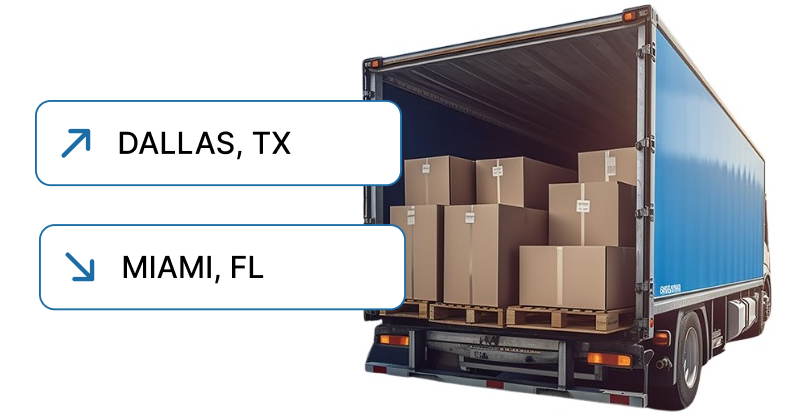
Visit the USMPO website and register your upcoming move. The platform is intuitive, mobile-friendly, and guides you step-by-step through the process.
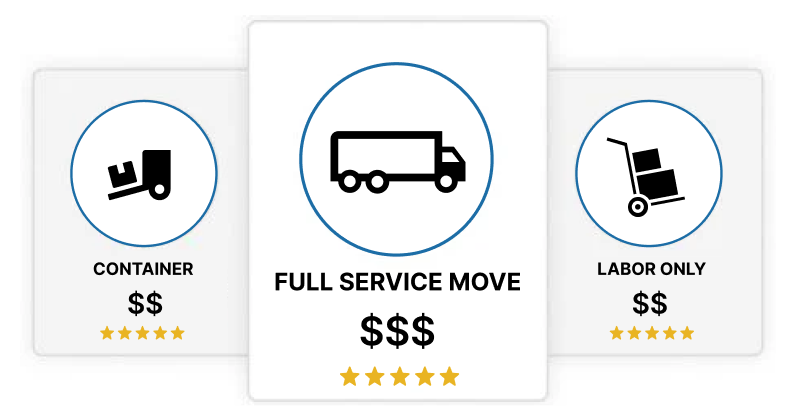
Once listed, you’ll receive competitive quotes from pre-screened movers. Compare pricing, read reviews, and choose the mover that aligns best with your timeline and budget.
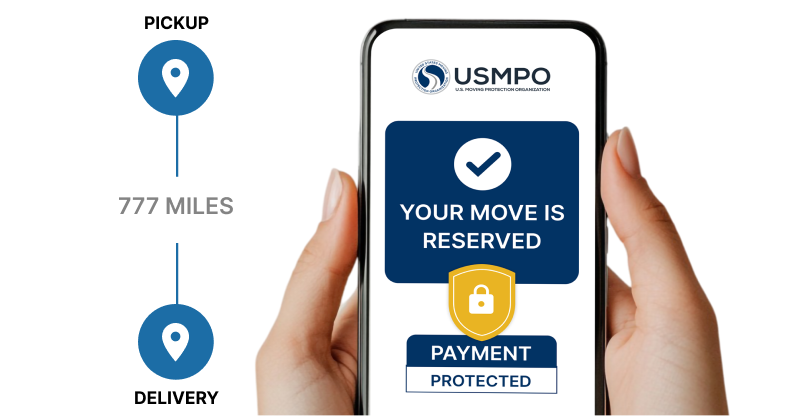
Book with added protection & secure payments. We hold movers accountable to their estimates.
Free from a nonprofit
Get a fair price range for your route and inventory, built from published rate data.
See your moving cost in 60 secondsThe U.S. Moving Protection Organization’s Verified Carrier Database is quickly becoming the go-to resource for consumers—and a game-changer for…
Moving from Texas to California can be a daunting task, especially with the distance of approximately 1,300 miles. Although Texas is known for its…
If you are thinking about moving from California to Washington, it is likely that you are not the only one thinking this. Each year, Americans make…

